




Which is better: thermal imaging or night vision scopes?

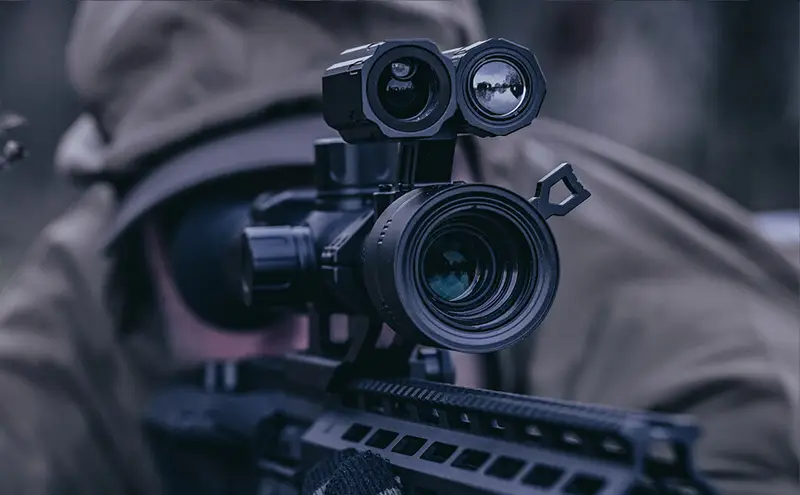
When it gets dark, thermal imaging and night vision goggles are indispensable tools for activities such as hunting, nature observation and security. Both devices help you see better in the dark, but they work in different ways and have unique advantages. Which is better? That depends on your situation, needs and goals.
In this article, we explain how thermal imaging and night vision scopes work, what the main differences are, and compare two top models: the Hikmicro Stellar 3.0 Thermal Scope and the PARD Night Stalker 4K.
What is a thermal imager?
A thermal imager detects infrared radiation emitted by objects, animals and people. Anything emitting heat – such as an animal, vehicle or person – becomes visible even in total darkness or bad weather.
Advantages of thermal imagers:
- Works in total darkness, fog and dense vegetation.
- Ideal for rapid detection of animals or objects.
- Detection range is large, often up to hundreds of meters.
Example: While hunting, a thermal imager can detect an animal hiding in bushes by distinguishing it from its colder surroundings.
Limitation: Thermal imaging offers less detail. For example, you can see that there is an animal, but not always specific features such as antlers.
What is a night vision goggle?
A night vision goggle amplifies available light, such as moonlight or artificial sources. Modern digital models, such as the PARD Night Stalker 4K, combine light amplification with infrared (IR) technology. This allows you to not only see objects, but also recognize them in detail.
Advantages of night vision goggles:
- Offer detailed images, such as facial features or vehicle details.
- Ideal for identification and observation at light sources such as the moon.
- Suitable for situations where detail is important, such as site monitoring.
Limitation: Night vision performs less well in complete darkness, fog or rain without a good IR source.
Comparison: Hikmicro Stellar 3.0 vs. PARD Night Stalker 4K
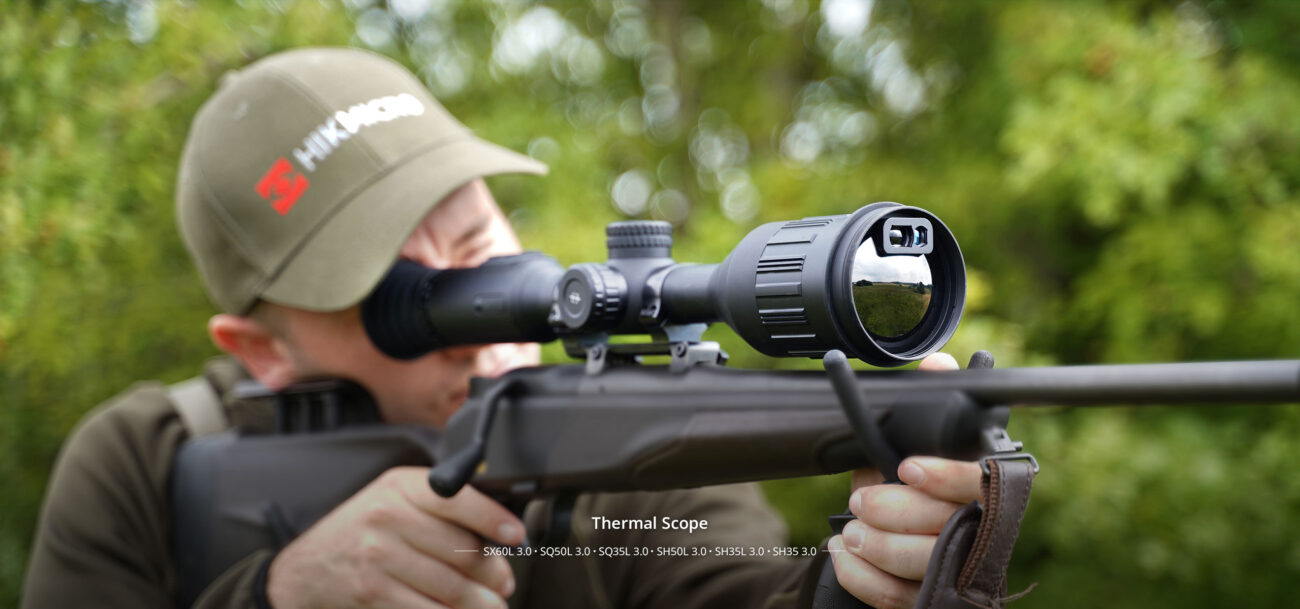
Hikmicro Stellar 3.0 Thermal Scope (Thermal Image)
- Thermal resolution: 384×288 pixels.
- Detection range: up to 1800 meters.
- Weather conditions: Works perfectly in rain, fog and snow.
- Use: Ideal for hunters and professionals in challenging environments.
Disadvantage: Less suitable for recognizing fine details, such as movements or small features.
PARD Night Stalker 4K (Night Vision)
- Resolution: Ultra-HD 4K for razor-sharp images.
- Night vision range: Up to 350 meters with built-in IR illumination.
- Functionality: Record images for later use.
- Use: Perfect for situations where detail is important, such as terrain observation.
Disadvantage: Less effective in total darkness without a light source or in fog.
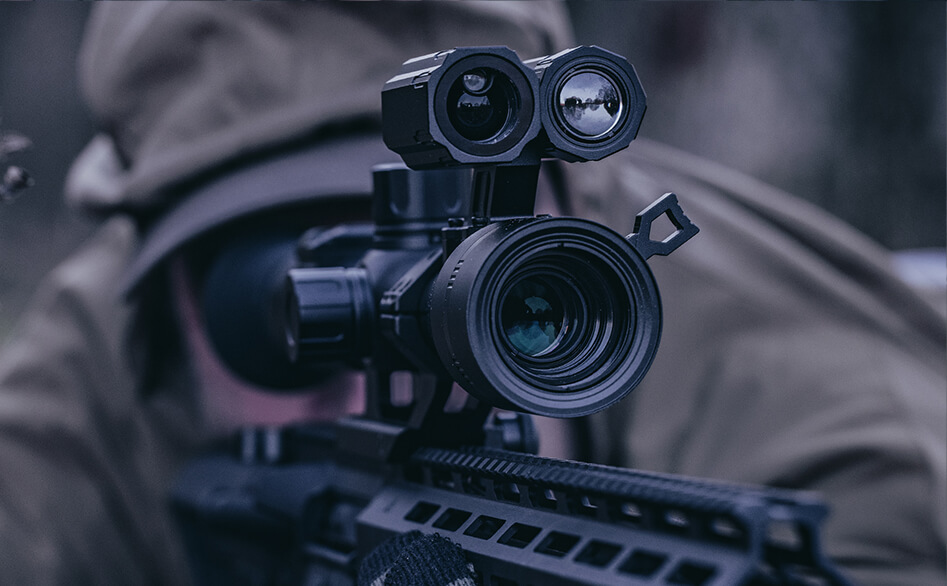
When do you opt for thermal imaging and when for night vision?
There is no one-size-fits-all answer. The choice depends on circumstances and purpose of use.
Choose thermal imaging as:
- You want to detect animals or objects in complete darkness.
- You work in dense vegetation or poor weather conditions.
- Fast detection is more important than detail.
Choose night vision as:
- You need detailed images, such as for identification.
- You work with some light source or IR lighting.
- You want to observe situations accurately, such as site surveillance.
Conclusion: which is better?
The choice between thermal imaging and night vision scopes depends on your specific needs:
- Thermal imaging scopes are ideal for detection in challenging conditions.
- Night vision binoculars excel in sharpness and detail, provided some light is available.
For the best choice, consider your activities and the environment in which you work. Do you often work in complete darkness or dense forests? Go for thermal imaging. Do you need sharp images and detail? Then choose night vision.
View our range of thermal imaging and night vision viewers